Sinocism Get smarter about China
-
Changes Unseen, Strategies Uncharted | Sinification: August 2026
 by Jacob Mardell on August 30, 2026
This month’s digest pulls in different directions—insofar as we can follow a single thread, it is that of traditional systems being swept away and of “changes unseen in a century” coming to pass: in discussions of nuclear proliferation, the Cold War nuclear order has “irreversibly come to an end”; in the Middle East, the US security architecture is crumbling; in the maritime domain, volatility threatens sea lanes; and overseas, Chinese firms’ modus operandi is shifting. While most scholars identify the increasing security risks attendant on such changes, what comes next and what China should do about it are open questions. More hawkish scholars advocate stronger unilateral action in the international system, while others caution against such measures.
-
Sharp China: Five US-China (and Russia) Questions; Cabbage with Formaldehyde; The Continuing Tax Crackdown; Unitree Stock Down 45%
 by Bill Bishop on August 27, 2026
Listen now | Show Notes:
-
Disaster at Tibet-Nepal border; Xi to attend SCO Summit and visit Egypt; PRC-India; Food safety; New Z.ai model
 by Bill Bishop on August 26, 2026
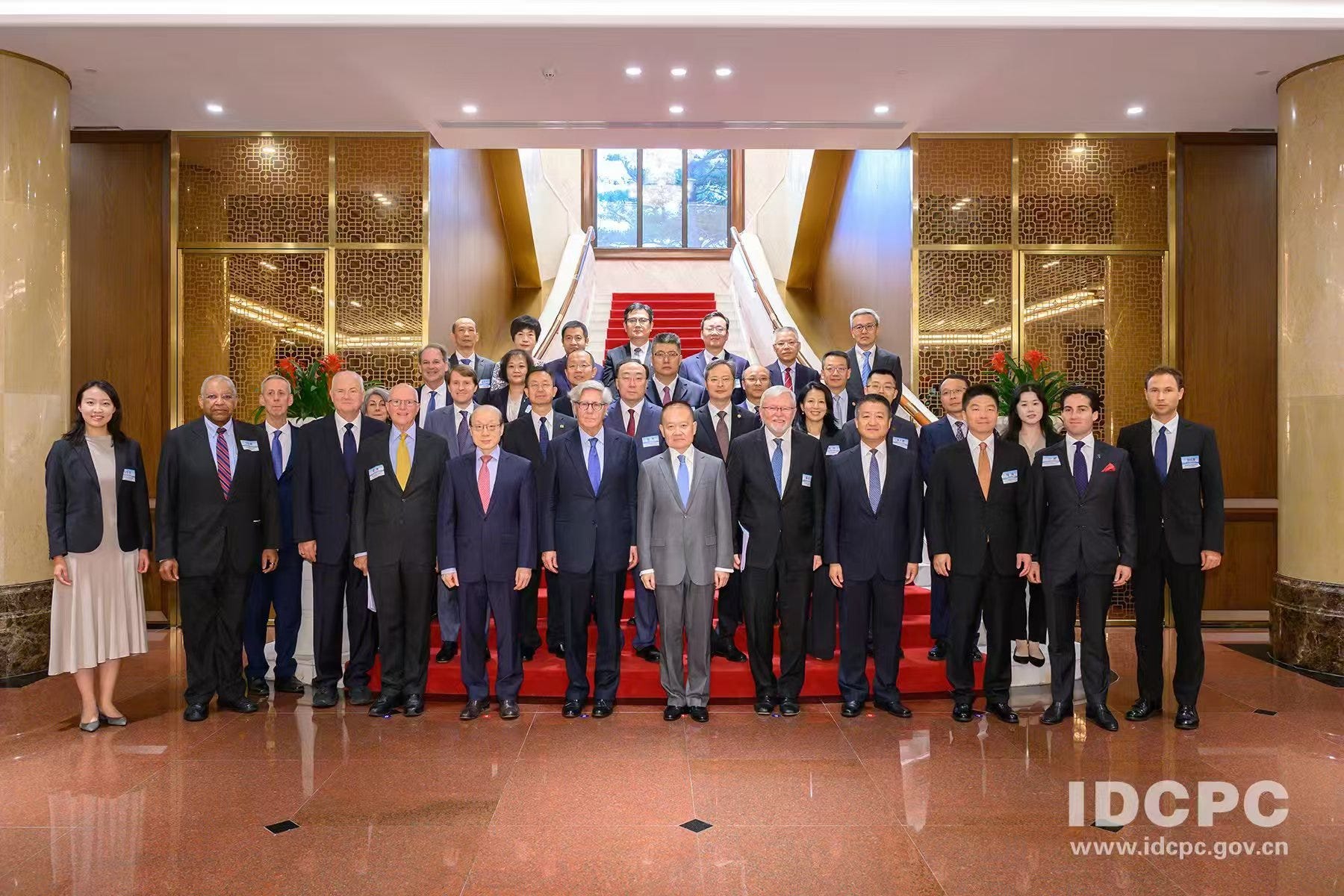
Xi to attend SCO Summit and visit Egypt - Xi will travel to Bishkek, Kyrgyzstan to attend the SCO summit and pay a state visit there. He will then go on to Egypt for a state visit. He leaves August 30 and returns September 3. Xi’s most-watched meetings at the event may be with India’s Modi and Russia’s Putin. We still do not know why the director of the CIA flew to Russia yesterday for two hours, but it may have been to warn Putin about escalating in Ukraine and perhaps against NATO. If Xi and Putin meet in Bishkek, will Putin give Xi any advance notice of his plans? If he is planning to escalate, will Xi try to talk him out of it, or at least issue another call that nuclear weapons must never be used?
-
PRC response to “Economic D-Day”; The Zhong Caiwen articles ; Cadre accountability for environmental damage; Formaldehyde Kimchi?; Rocket Force procurement
 by Bill Bishop on August 25, 2026
PRC response to “Economic D-Day” - The Foreign Ministry spokesperson said Tuesday: China’s cooperation with Iran has always been conducted within the framework of international law and should not be interfered with or undermined. China is closely following relevant developments and will take all necessary measures to resolutely safeguard its rights and interests. The US government may have set another trap for itself around the Iran quagmire. If they only sanction mostly meaningless PRC entities like they did Monday, Trump and team look like paper tigers, but if they move against major PRC financial institutions or central SOEs then the PRC may again play the rare earths card, as well as the “Xi is not coming to DC next month” card. And if China does not participate in this “economic D-Day” then it has even less of a chance of success.
-
Xi meets Jordan’s king; State of the economy; Formaldehyde-dipped cabbages; CCDI Sixth Plenum; US-China
 by Bill Bishop on August 24, 2026
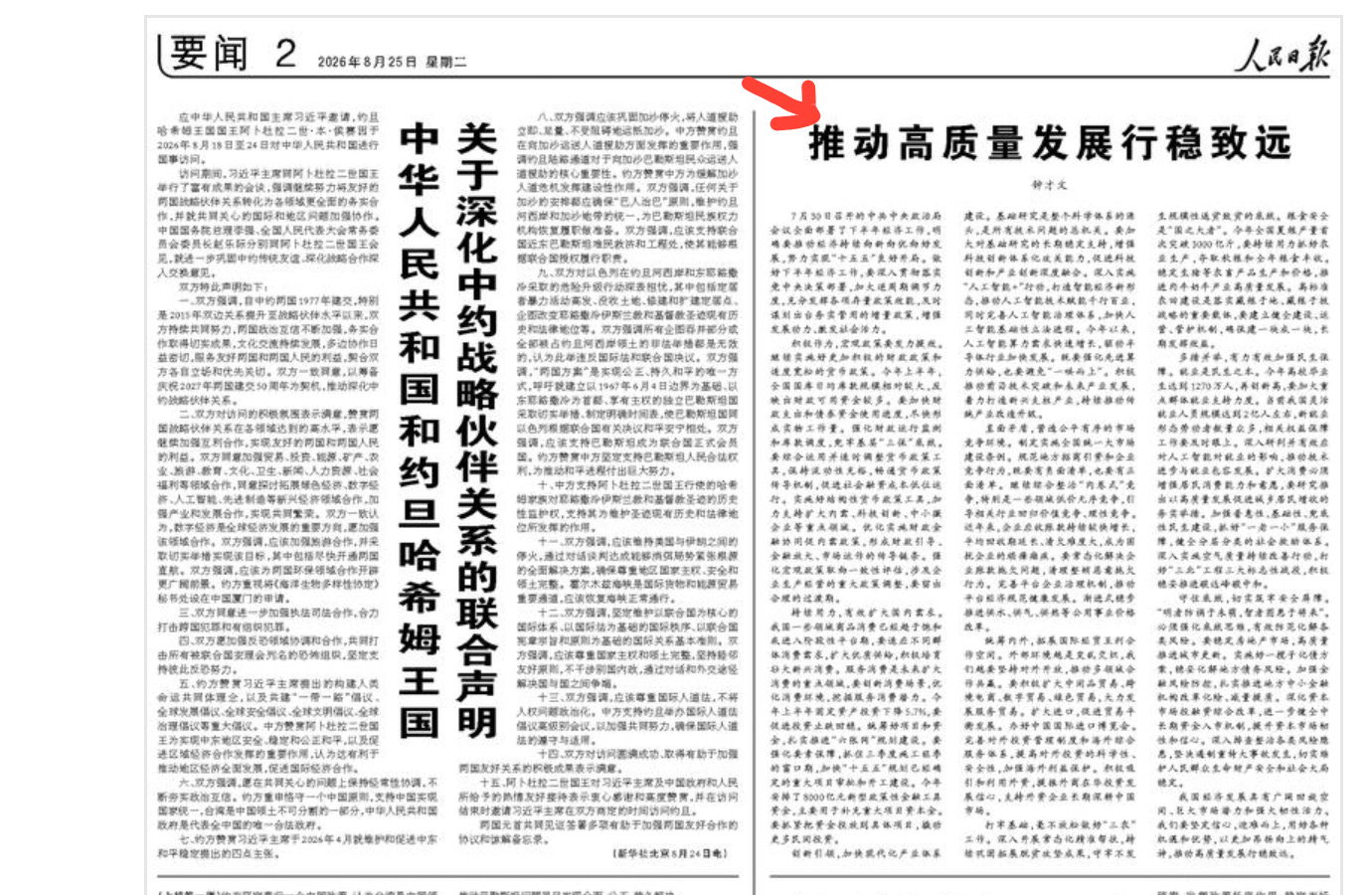
In this issue: Xi meets Jordan’s king Sixth Plenum of the CPC Central Commission for Discipline Inspection “Zhong Caiwen 钟才文” on the economy Fiscal revenue grew in July Formaldehyde-dipped cabbage US-China
-
US may impose more sanctions on China over Iran?; PRC-South Korea; Life for Evergrande’s Xu; AI governance; Supply chain punishment for Taiwan; “Pseudo-history”
 by Bill Bishop on August 20, 2026
Given the PRC’s economic relations with Iran, Trump is clearly threatening “TREMENDOUS Economic Consequences” for China. But can he really follow through on this threat, or will Xi just respond with two words: “rare earths”? Treasury Secretary Bessent said this on CNBC today about possible actions against China: we are confident that everyone wants the strait reopened and for energy prices to come back down. And, Sara, keep in mind that the Chinese get 50 percent, 5-0, of their energy from inside, from the Gulf. So it would do them a big service to get with the program And then later Thursday Bessent tweeted “any remaining tie to Tehran will hasten a nation’s economic oblivion, whether that tie be purposefully constructed or willfully ignored.” I am skeptical the Trump Administration will do anything meaningful that risks slowing the trickle or rare earths, or Xi postponing his visit to DC next month.
-
Sharp China: Wang Yi Visits South Korea; Remembering Zhu Rongji; US-China Ahead of Xi's Visit; How China Monitors Foreigners
 by Bill Bishop on August 20, 2026
This episode of Sharp China is outside the paywall.
-
Wang Yi in South Korea; Unitree IPO; PRC tells EU to pound sand over JD.com; H200 purchases; Youth unemployment rises
 by Bill Bishop on August 19, 2026
Unitree priced its IPO at RMB150.80, opened at RMB1,100, and closed at RMB845, up 460.3% from the offer price. Its market capitalization is now about RMB341.8 billion. Unitree’s valuation is difficult to defend using conventional fundamentals. It reported approximately RMB1.70 billion of 2025 revenue, RMB278 million of reported net profit and roughly RMB591 million of adjusted profit. At Wednesday’s close, the company was therefore valued at approximately: 201 times 2025 revenue 1,230 times reported 2025 earnings 578 times adjusted 2025 earnings But who cares about fundamentals for a hot IPO in the sweet spot of the new quality productive forces push… Unitree sucked a lot of money from other robot-related stocks. The Guozheng Robot Industry Index dropped about 9.0%, the CSI Robot Index fell 7.9%, more than 100 humanoid-robot-related A-shares declined, and several component and motion-control suppliers plunged by their daily limits. It was a great day for Unitree, its shareholders and the people lucky enough to win an IPO allocation lottery ticket, but for just about everyone else it was another ugly day in the PRC stock markets.
-
Funeral for Zhu Rongji; Xi meets Ecuadorian President Noboa; Jiang Zemin; Housing provident fund; Consumption; What does China want?
 by Bill Bishop on August 18, 2026
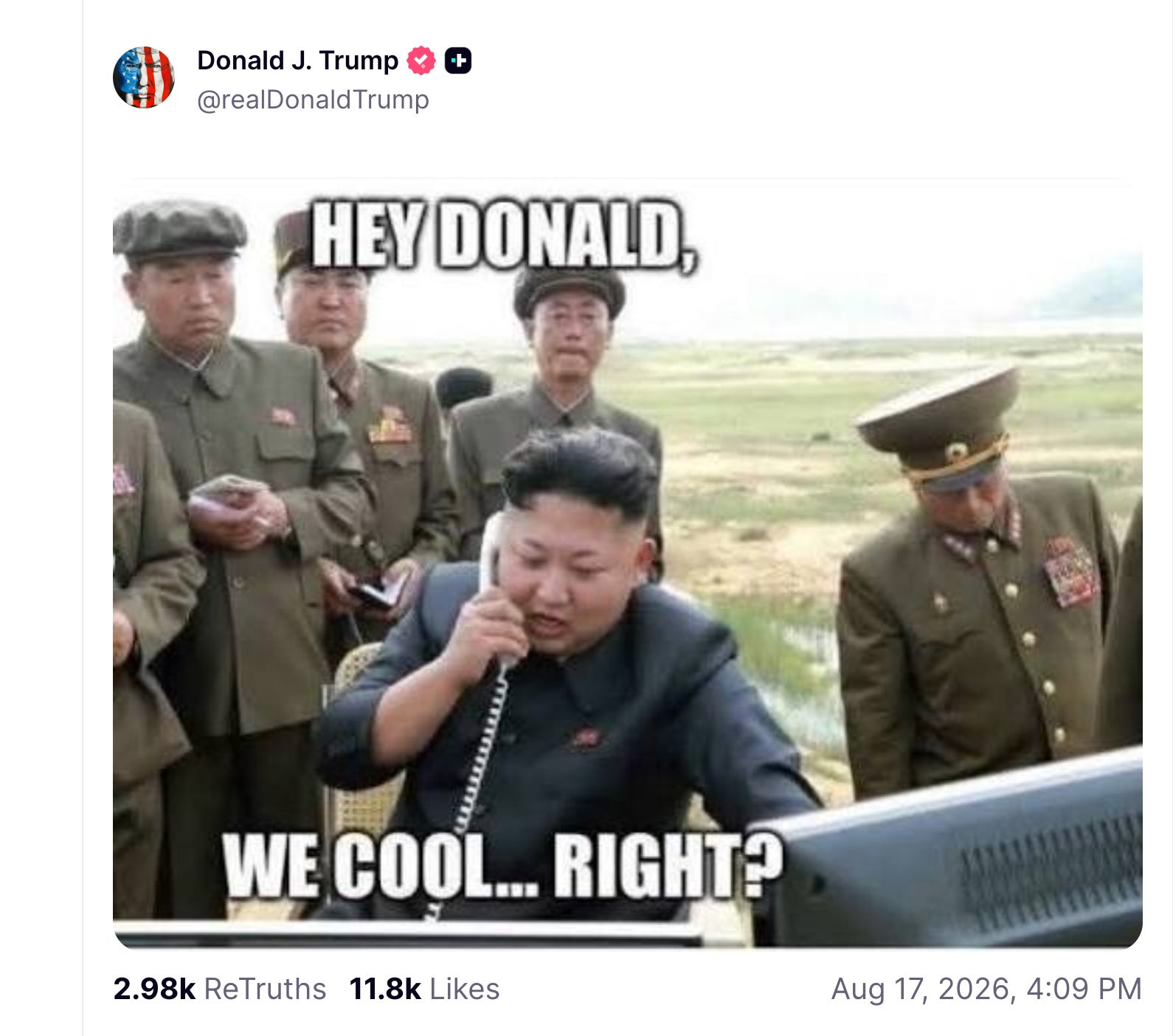
Wang Yi will visit South Korea for two days starting Wednesday. According to the Korea Herald: A Seoul Foreign Ministry official, requesting anonymity, said Tuesday that Lee’s broader vision for peaceful coexistence on the Korean Peninsula is expected to feature naturally in Wang’s meetings in Seoul. Lee’s latest proposal is part of his administration’s efforts to improve strained inter-Korean relations and support the resumption of dialogue between North Korea and the United States, with Seoul casting itself as a “pacemaker” for diplomacy. It is not clear when the Wang trip was arranged, but even if scheduled weeks ago, the timing, just after Trump’s post about his instructions to the US Secretary of War to “substantially reduce the Joint Military Exercises!”, is certainly interesting. Is it just a coincidence?
-
More weak July economic data; State Council Plenary session; Jiang Zemin Commemoration; AI tokens; Xi's DC visit; “Once Upon a Time in the Middle East”
 by Bill Bishop on August 17, 2026
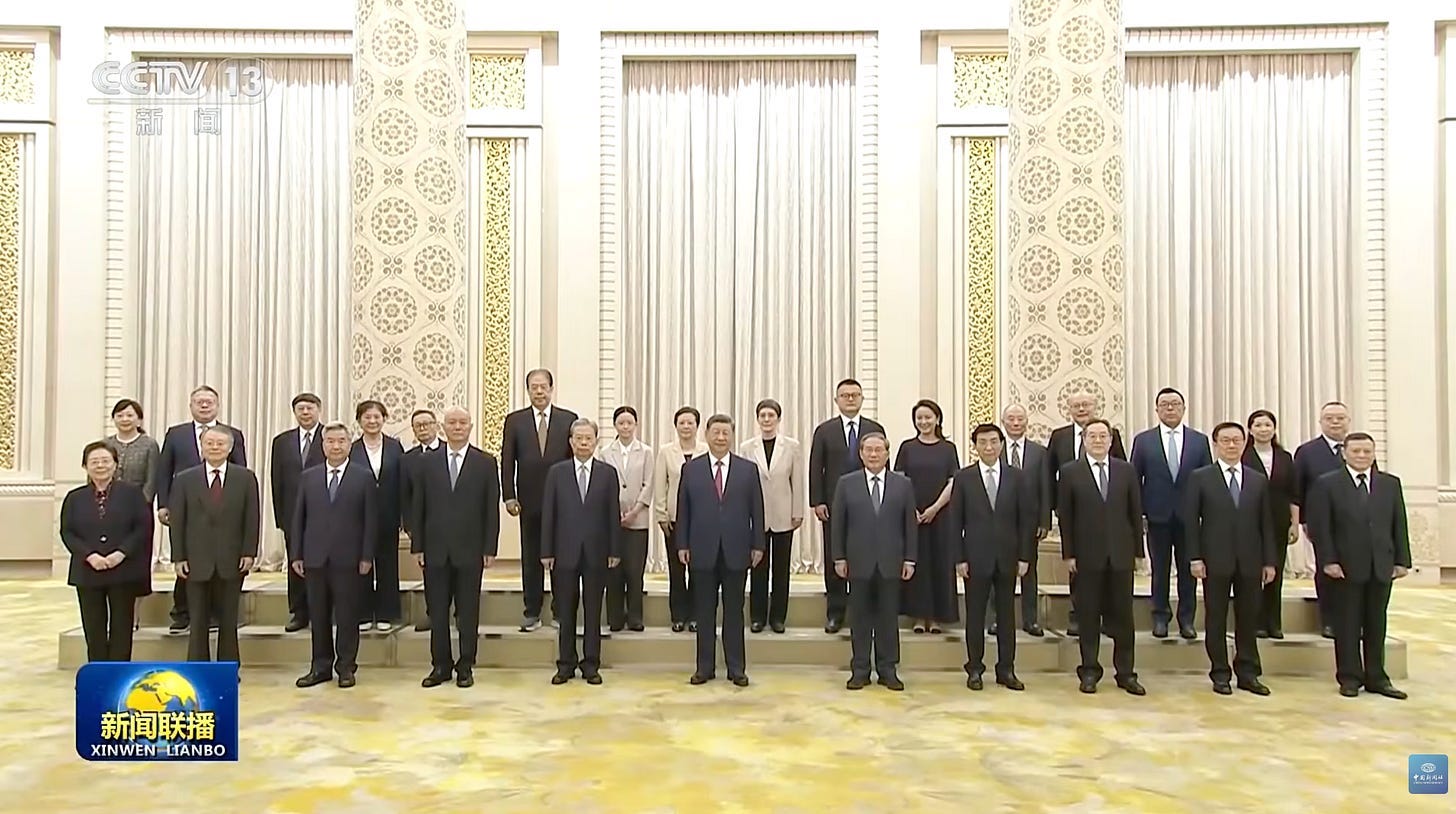
Jiang Zemin Commemoration - There were few surprises at the Monday commemoration for the 100th anniversary of the birth of Jiang Zemin. All living, retired Standing Committee members except Hu Jintao, Li Ruihuan, Wu Guanzheng, and Luo Gan attended. Xi Jinping laid out five things the Party should learn from Jiang Zemin at Monday's centenary commemoration, and linked them to his agenda: We must learn from Comrade Jiang Zemin’s rock-solid political faith. 我们要学习江泽民同志坚定如磐的政治信仰。 We must learn from Comrade Jiang Zemin’s sincere and profound feeling for the people. 我们要学习江泽民同志真挚深厚的为民情怀。 We must learn from Comrade Jiang Zemin’s innovative spirit of keeping pace with the times. 我们要学习江泽民同志与时俱进的创新精神。 We must learn from Comrade Jiang Zemin’s strategic thinking marked by deep foresight and careful planning. 我们要学习江泽民同志深谋远虑的战略思维。 We must learn from Comrade Jiang Zemin’s extraordinary courage, which was resolute and bold. 我们要学习江泽民同志坚毅果敢的非凡胆略。
-
"Beidaihe Break" is over; Jiang Zemin's 100th; RIP Zhu Rongji; US-China; July economic data; New Qiushi
 by Bill Bishop on August 16, 2026
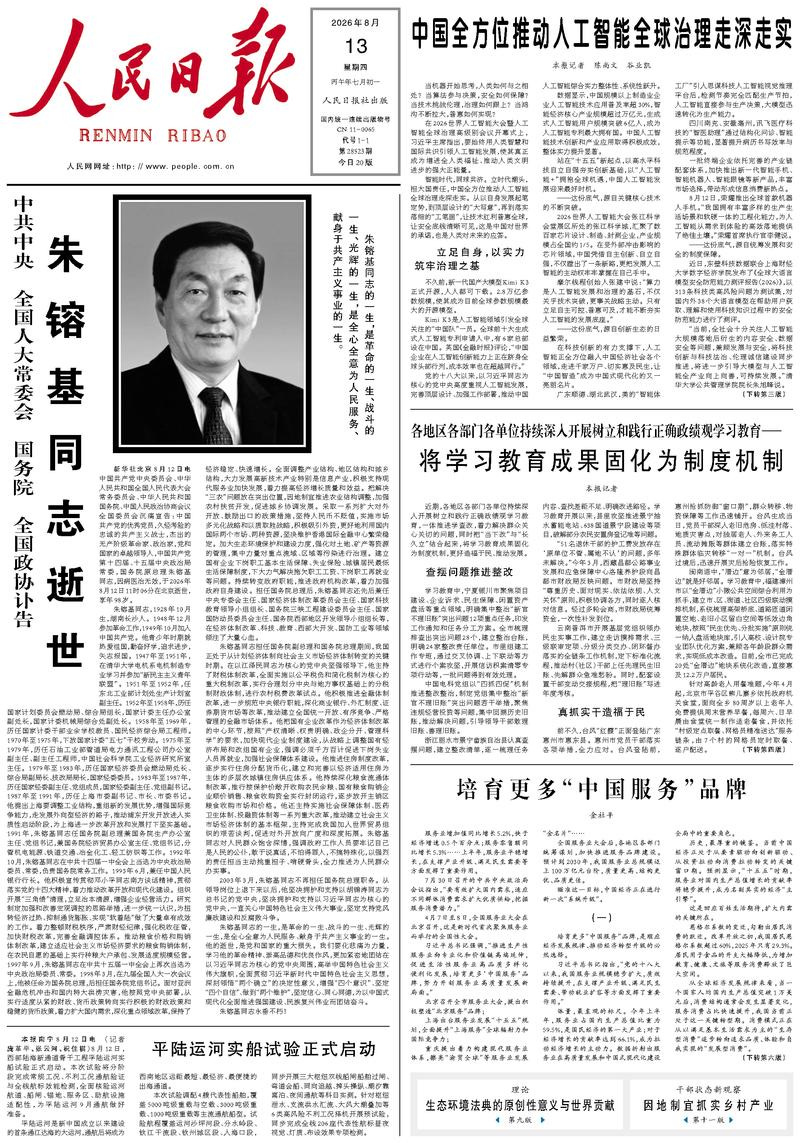
Former Premier Zhu Rongji died on August 11 at the age of 98. His memorial service will be on August 18. Zhu has not been politically relevant for many years, and his death should not cause any issues for Xi and the leadership. There is a playbook for managing any outpouring of grief or reminiscences hinting at dissatisfaction with the current Era after the passing of a senior leader, and for the memorial service. The Party has recent practice in managing the deaths of retired Premiers, as Li Peng died at 90 in 2019 and Li Keqiang died at 68 in 2023. The People’s Daily treatment of the respective announcements is identical
-
Advantage Does Not Equal Victory | Sinification: July 2026
 by Jacob Mardell on August 3, 2026
US-China & Global Order | Europe | Chinese Economy & Going Out | Middle East | South China Sea | Neighbourhood Diplomacy | Regional Relations | AI & Tech | Society
-
Politburo study session; Regulation on Exit and Entry Administration; US-China; AI; Scarborough Shoal/Huangyan Dao
 by Bill Bishop on August 3, 2026
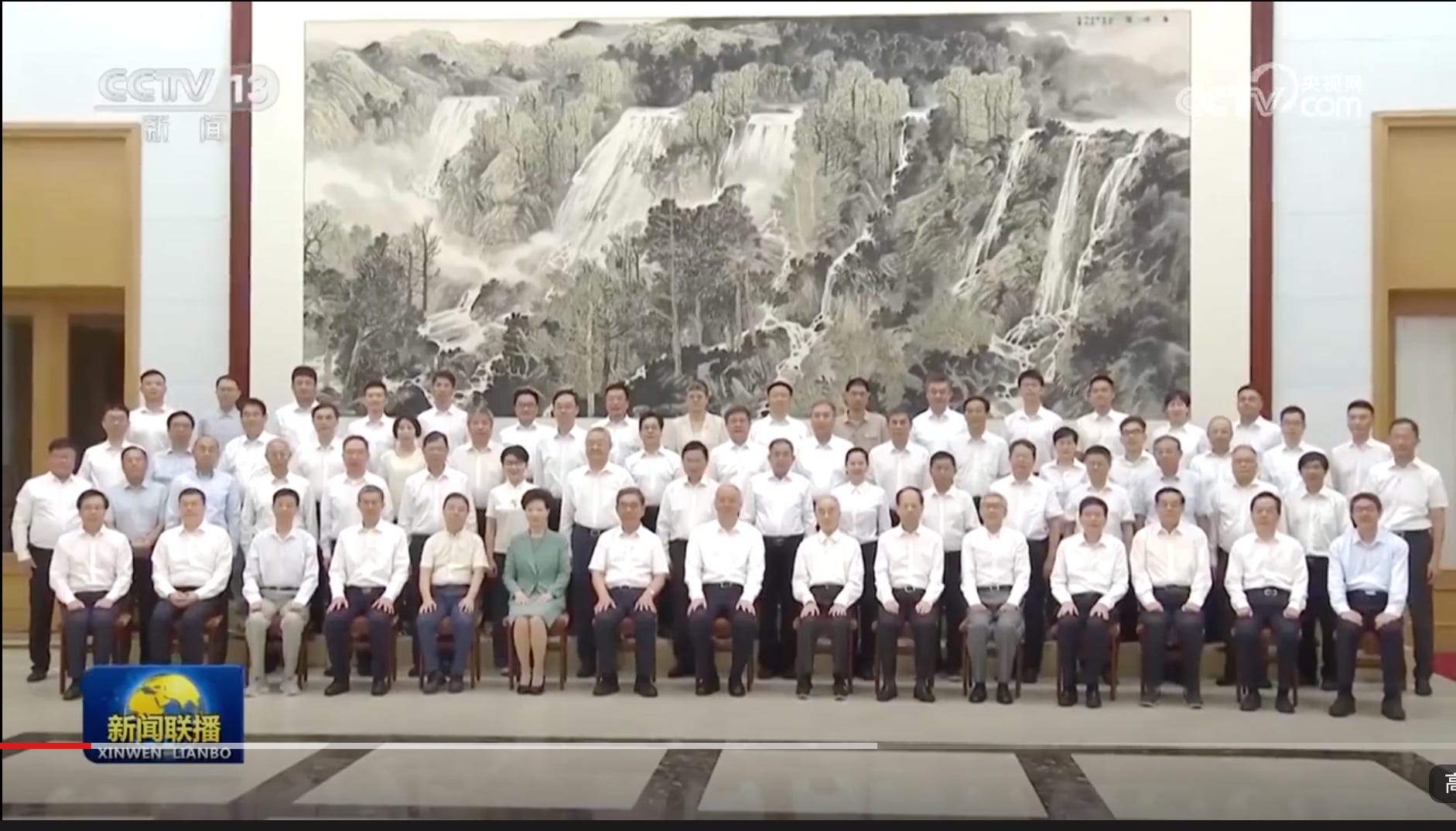
I thought I would be on vacation already but there too many interesting things over the last few days to not do one more newsletter before heading off on my version of the “Beidaihe Break”. The Beidaihe Break has officially started, signaled by the CCTV report on Cai Qi visiting “experts vacationing in Beidaihe”:
-
July 2026 Politburo meeting; Fifth Plenum set for October; Signals of marginal, incremental policy support
 by Bill Bishop on July 30, 2026
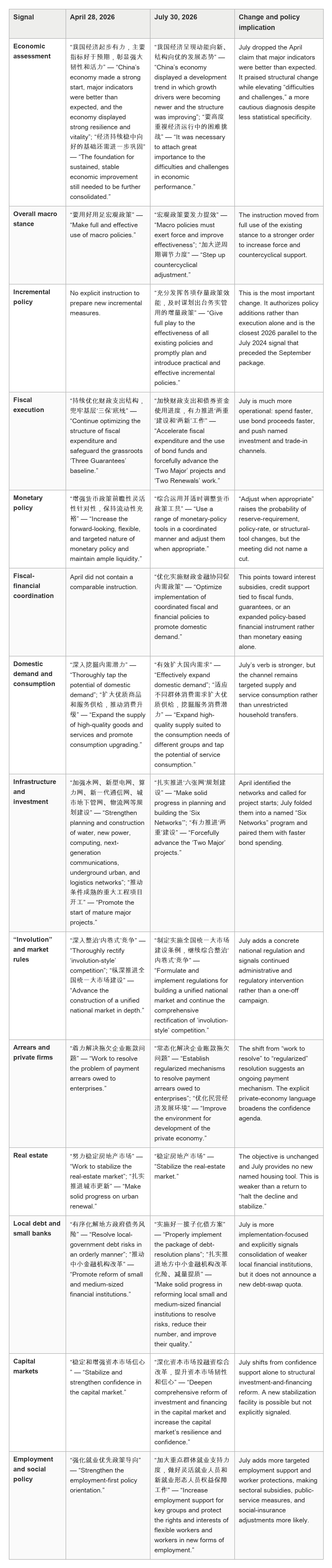
The Politburo held its July meeting today. Some of the highlights: Fifth Plenum scheduled for October, agenda is “to study major issues concerning the unremitting advancement of full and rigorous Party self-governance”; Diagnosis of economic situation section includes “it is necessary to attach great importance to the difficulties and challenges in economic performance 要高度重视经济运行中的困难挑战”, which suggests increasing concern about the state of economy; Readout language signals at least some additional, marginal policy support - promptly plan and introduce practical and effective incremental policies 及时谋划出台务实管用的增量政策
-
A Memory-Maker Makes History; New Robot Rules; The Open Weights Debate Rages; End of July News and Notes
by Bill Bishop on July 30, 2026
Show Notes:
-
RMB and global imbalances; PRC missiles to Iran?; National Plan for Addressing Climate Change; Commercial space industry
 by Bill Bishop on July 29, 2026
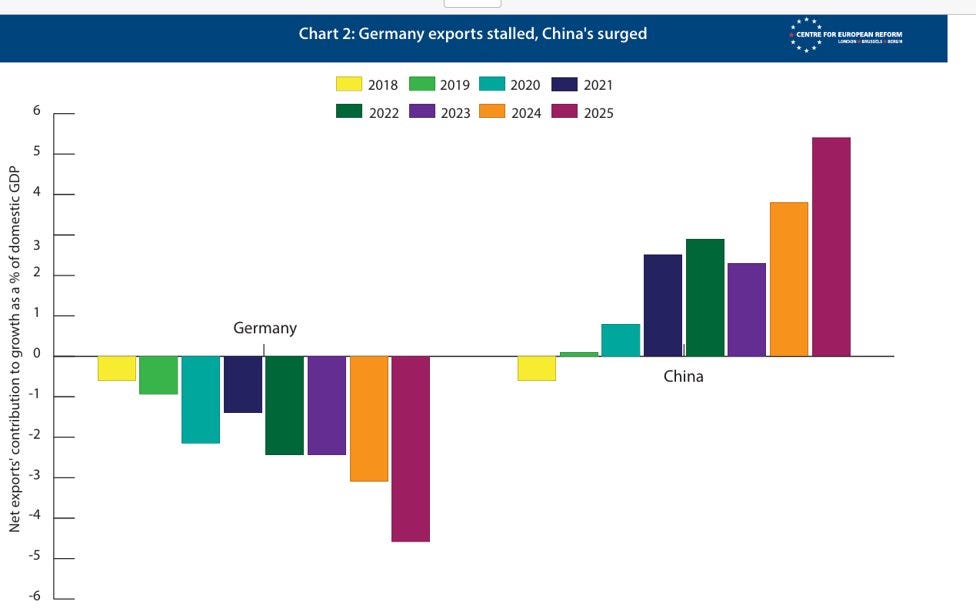
We are still waiting for the July Politburo meeting. Gita Gopinath, Pierre-Olivier Gourinchas and Hélène Rey - two former IMF chief economists and the incoming chief economic advisor at the Bank for International Settlements, respectively - wrote “Don’t blame global imbalances on the undervalued yuan” for The Economist arguing that calling on the PRC to revalue the yuan to fix imbalances, as German Chancellor Merz has done, “gets both the diagnosis and the cure wrong”. They conclude the piece: The G7 and the IMF locate the problem correctly: it lies in the constellation of domestic macroeconomic choices on both sides of the imbalance. A policy package, whereby China pivots to consumption and services-led growth, and America reins in fiscal deficits, is less spectacular than a grand currency bargain. But it has the advantage of being both effective and achievable.
-
Xi meets Slovak president; “Excess capacity” or “Overcapacity”? ; CXMT IPO; Overseas Chinese affairs conference; Li Qiang in Tangshan; Chips and AI
 by Bill Bishop on July 28, 2026
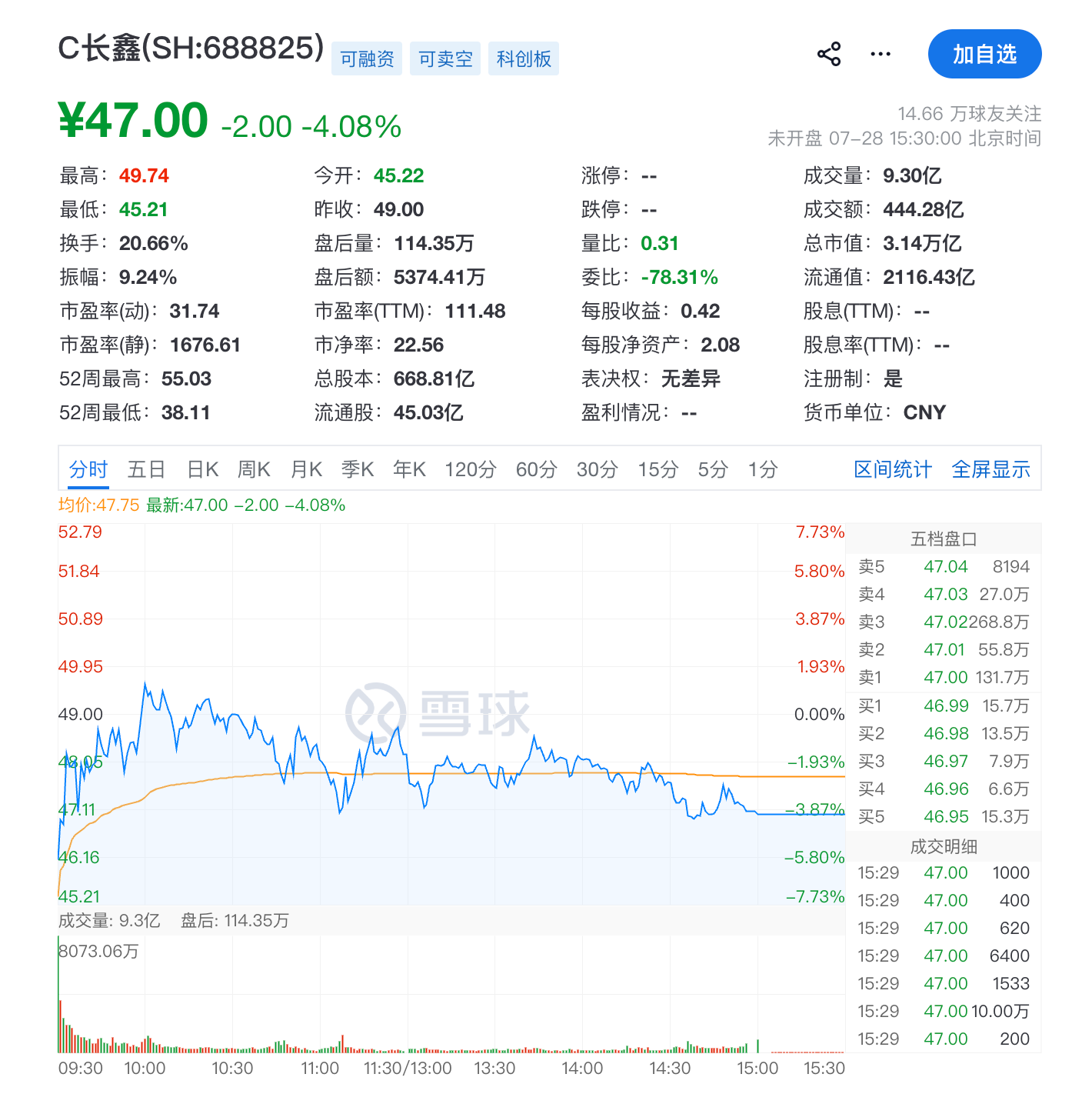
In this issue: Xi meets Slovak president “Excess capacity” or “Overcapacity”? CXMT IPO the day after Xinhua’s mid-year review of the Chinese economy Li Qiang commemorates the 50th anniversary of the Tangshan earthquake National Conference on Overseas Chinese Affairs Work AI and chips US to ban new PRC robots
-
CXMT IPO; Taxing offshore assets; Fang Xinghai; US-China; AI; Lula supports China-Mercosur deal
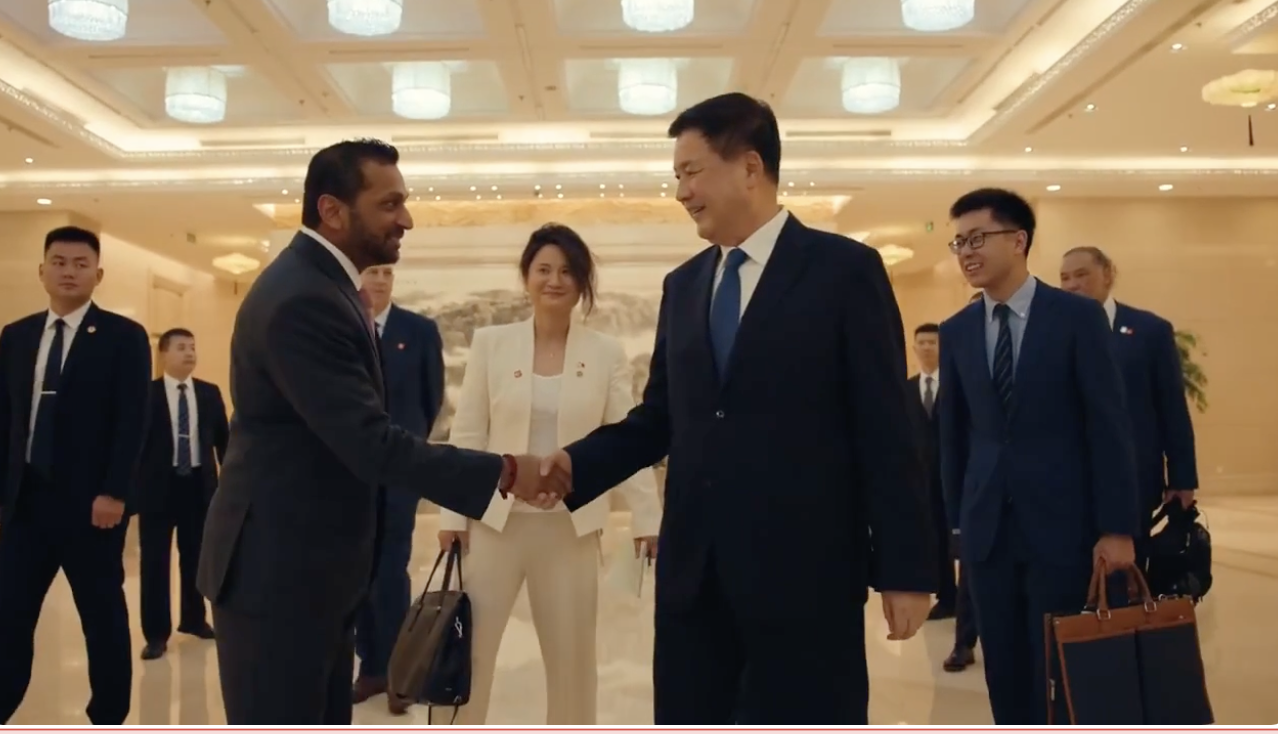 by Bill Bishop on July 27, 2026
The July Politburo meeting should happen this week, and should include as part of its agenda “analyzing and studying the current economic situation, and deploying economic work for the second half of the year 分析研究当前经济形势”. The 2025 July meeting was on Wednesday, July 30th, and also announced the date for the Fourth Plenum. And then on or around August 1 the top leaders will disappear from public for two weeks or so for the “Beidaihe Break”, even though we do not know if they all go to the seaside resort. Last year at this time there were lots of crazy rumors about Xi and possible coups; this year the rumor mill so far has been very quiet.
-
Another CSRC meeting; DeepSeek CEO comments; SAMR warns about "externalization of involution 内卷外化"; US-China; Strengthening social work
 by Bill Bishop on July 23, 2026
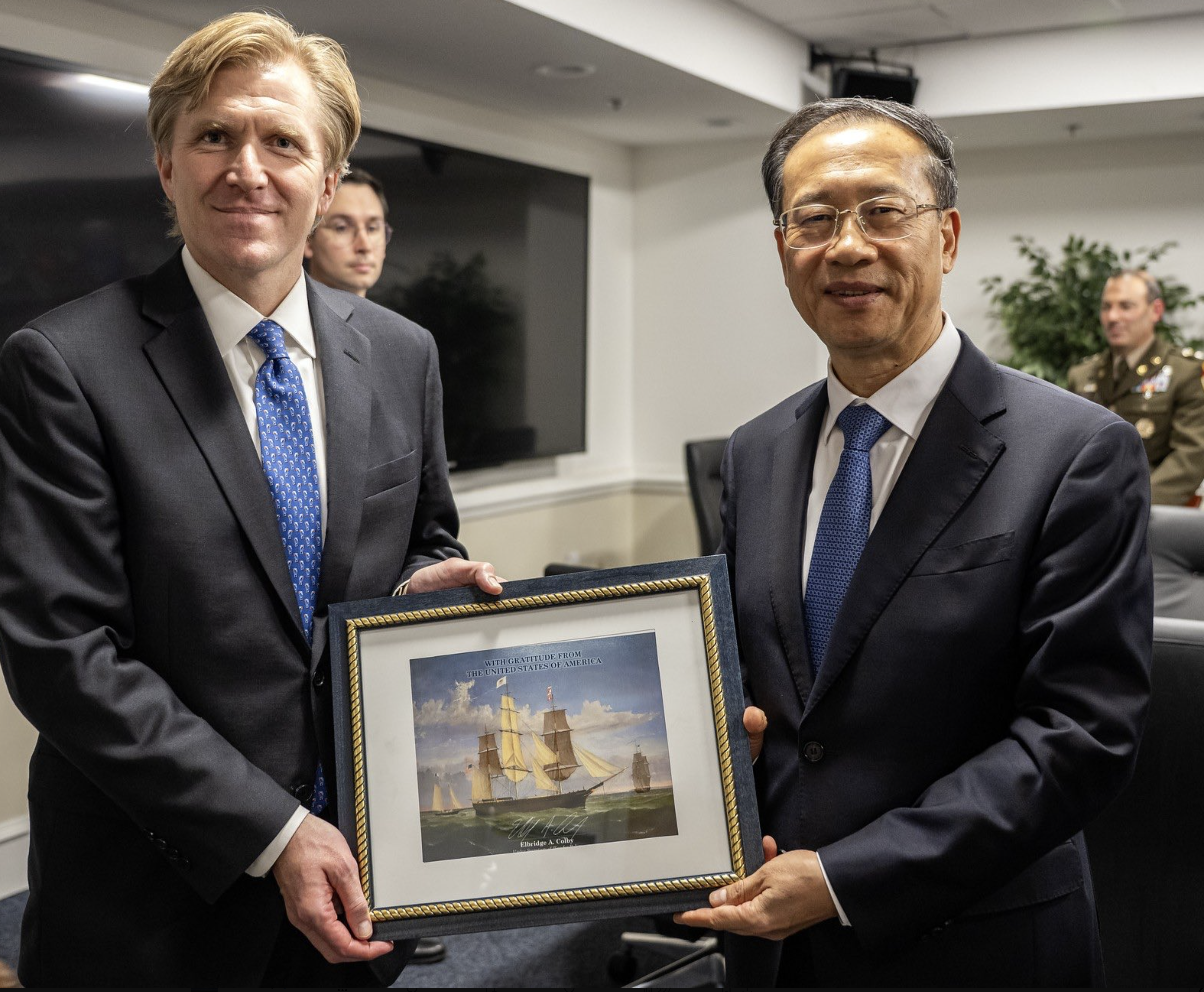
President Trump confirmed that Xi will visit the US on September 24. That is not a surprise, the Rubio-Wang meeting readouts were clear they were working towards that visit. Vice Foreign Minister Ma Zhaoxu, one of the top contenders to eventually replace Wang Yi, has been in the Washington, DC this week, and today visited the Pentagon. A MOFCOM official said on Thursday that “at present the Chinese and US economic and trade teams are maintaining close communication on specific arrangements for the trade council, including its structure, functions, and mode of operation, and are discussing advancing reciprocal tariff-reduction framework arrangements of 30 billion US dollars in scale on each side.” So we are seeing practical applications of “constructive strategic stability” as the two sides try to manage the relationship while competing.
-
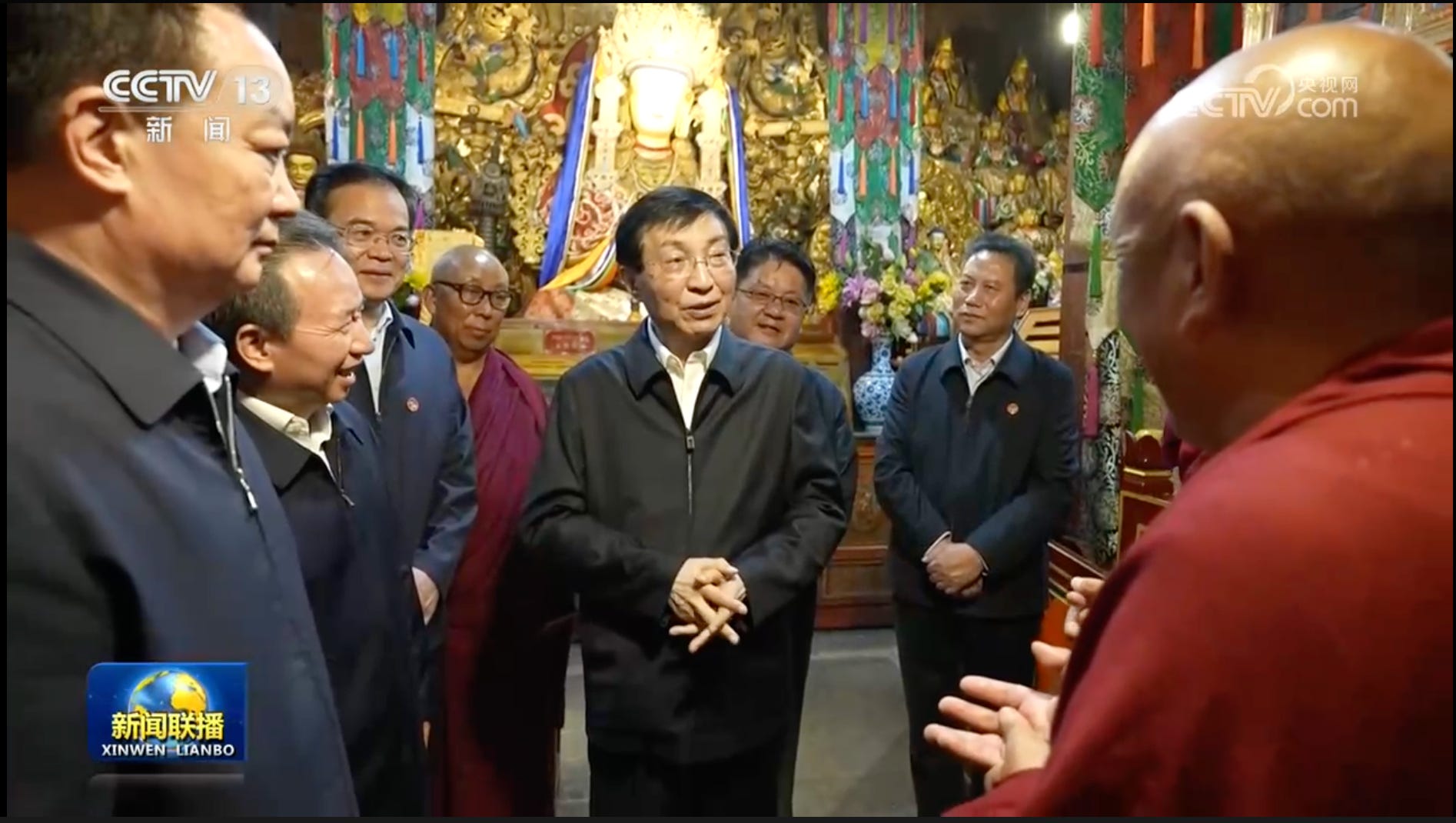
Wang Huning tours Tibet; US government officials go after Moonshot; Wang Yi-Rubio meeting; PRC-Philippines; H1 fiscal revenue and expenditure data
 by Bill Bishop on July 22, 2026
The head of the White House Office of Science and Technology Policy, the Treasury Secretary and a senior State Department official all tweeted similar things about Kimi and distillation today. Secretary Bessent was most specific about possible policy responses - ”sanctions and Entity List designations will be on the table”. Kratsios, the head of the OSTP, accused Moonshot of “a sophisticated internal platform to conduct large scale distillation against U.S. models, allowing them to quickly switch between multiple methods of access to avoid detection. Moonshot AI has also acquired GB300-equipped servers and has accessed GB300s in Thailand, likely to train its AI models.”